MD/MPH Program
What if you could strengthen the health of patients before they step foot in your examination room?
As 2020 has shown, clinical care is inextricably tied to public health. UIC’s College of Medicine and School of Public Health are offering a new MD/MPH joint degree that can be completed during the normal four year duration of medical school.
As an MD/MPH student, you will pursue an MPH concentration in Population Health for Healthcare Professionals. The impacts of public health on your clinical work extend well beyond an infectious disease outbreak like the COVID-19 pandemic. The program will help you view your patients through a health equity and justice lens and prepare you for for careers in academia, international and governmental agencies, clinics, health departments and research centers. The joint degree can also help to prepare students for academic residency programs. As an MPH student, you will focus on:
About the public health concentration Heading link
-
Determinants of health
How social and environmental determinants of health contribute to acute and chronic diseases and injuries.
-
Chronic disease
How chronic diseases impact populations and how to minimize these effects.
-
Epidemiology
How to apply epidemiological methods to assess the effectiveness of medical treatments.
-
Population health
How to think about population health in neighborhood contexts and from a global health view.
Transferring in to the joint MD/MPH program Heading link
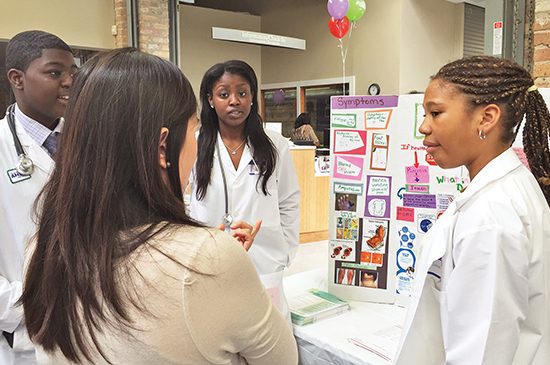
First year medical students are eligible to apply to add the MPH. To do so, please contact Dr. Ron Gaba, associate professor of radiology, at rgaba@uic.edu.
Summer breakout course: When Public Health Becomes Front Page News Heading link

There’s no better time to learn about disease outbreaks than during the most historic global pandemic of our lives. As a window into the world where public health and medicine intersect in a dynamic and often immediate way, the UIC College of Medicine and School of Public Health are offering a summer seminar that will teach about outbreak investigations.
Led by Mark Dworkin, MD, professor of epidemiology at the School of Public Health, this course will introduce students to applied field epidemiology by examining outbreaks and other field investigations that have occurred in many different settings and countries. Each investigation presents both routine and unique issues that require critical thinking, application of epidemiological methods and knowledge of specific diseases and interventions designed for disease control and prevention. Students will be exposed to many infectious disease outbreak investigations as well as several noninfectious outbreaks (such as poisonings) and selected other field studies. Readings will raise awareness of the roles that physicians may play in outbreak investigations with emphasis on the Centers for Disease Control and Prevention’s Epidemic Intelligence Service. Guest lecturers invited for remote presentations will allow for Q and A to further understand medical public health career opportunities. The primary textbook for this course is Cases in Field Epidemiology, A Global Perspective, Jones and Bartlett Learning.
I am so glad I took this class. I now have a better sense of direction in terms of what I want to do with my MPH degree.
Meet SPH alumni practicing as clinicians Heading link

SPH faculty are advancing public health with their MD degrees Heading link

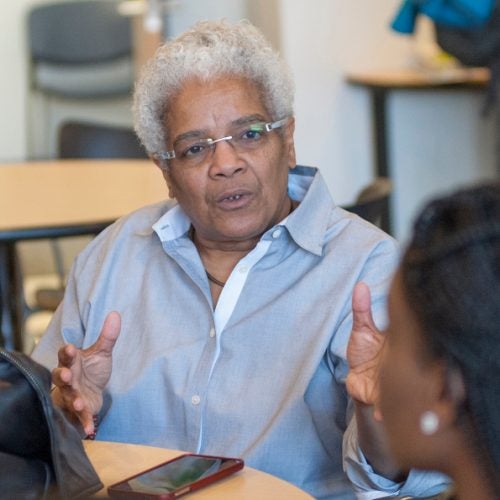
“The MPH behind my name tells my community they can rely on me to consider what’s best for the entire population, not just individuals in my exam room. My courses in public health helped me see the big picture more clearly and understand the effects of social determinants of health on individual outcomes. I also gained specific skills on how to communicate health risks at the community level, how to use the public health infrastructure to help my patients, and I am much better at analyzing the medical literature.”
| Associate Professor of Environmental and Occupational Health Sciences and Director, Great Lakes Center for Children's Environmental Health

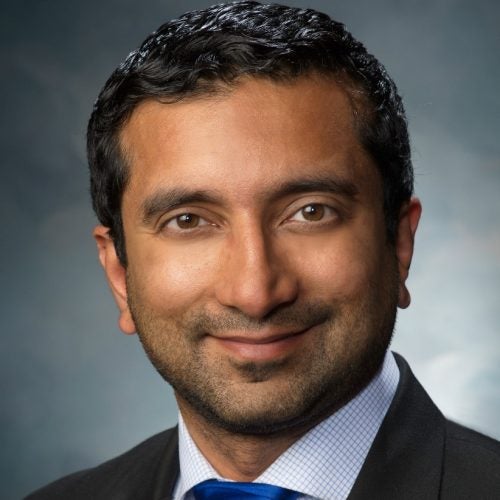
“The MPH puts medical care within a larger perspective. My MPH gave me an initial appreciation for the field of epidemiology and epidemiologic research. This was especially important early in my career at the CDC when I worked on a number of clinical epidemiology studies that really merged the worlds of public health and clinical medicine. Some of that work even informed clinical guidelines for medical practice.”
| Professor of Epidemiology

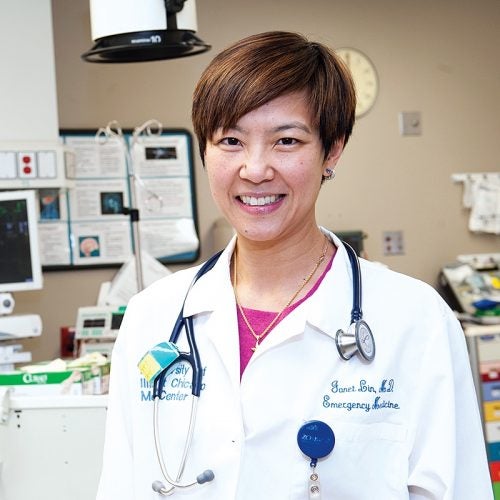
“Public health training broadens your perspective with respect to individual patients and their health problems. It allows a view of the whole person in relationship with their community. It informs the clinician about the risk of disease, probable diagnosis, probably etiology, as well as curative and preventive interventions for the specific patient and their communities. Finally, it allows the clinician to be armed with facts to participate fully in their community bringing the scientific expertise necessary to understand how to promote the public’s health.”
| Chief of Occupational and Environmental Medicine, UI Health